I reviewed another Twitty book many years ago for Cook the Books. As Recipes from The American South was on many “best of 2025” lists, I added it to my long library wait list. It finally arrived.
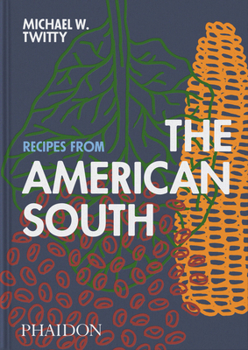
About the book:
A home cook’s guide to one of America’s most diverse – and delicious – cuisines, from James Beard Award-winning author and culinary historian Michael W. Twitty
‘An essential addition to the shelf of Southern cookbooks.’ – Wall Street Journal
A BEST COOKBOOK OF THE YEAR: The New York Times, Washington Post, Los Angeles Times, Food Network, The Strategist, NPR, Boston Globe, Serious Eats, Slate, Saveur, Smithsonian Magazine, Foodie, and B&N Reads
‘Our cuisine, with its grits and black-eyed peas, crab cakes, red rice, and endless variations on the staple foods of the region, casts a spell that, if you’re lucky, gets passed down with snapping string beans at the table and chewing cane on the back porch.’ – Michael W. Twitty
In the introduction to this groundbreaking recipe collection, acclaimed historian Michael W. Twitty declares, ‘No one state or area can give you the breadth of the Southern story or fully set the Southern table.’ To answer this, Recipes from the American South journeys from the Louisiana Bayou to the Chesapeake Bay, showcasing more than 260 of the region’s most beloved dishes.
Across more than 400 pages, Twitty explores the broad culinary sweep that Southern history and its many cultures represent. Recipes for breads and biscuits, mains and sides, stews, sauces, and sweets feature insightful headnotes and clear, step-by-step instructions. Home cooks will discover both iconic dishes and lesser-known specialties: Chicken and Dumplings, She-crab Soup, Red Eye Gravy, Benne Seed Wafers, Hummingbird Cake, and Mint Juleps appear alongside Shrimp Pilau, Chorizo Dirty Rice, Sumac Lemonade, and Cajun Pig’s Ears Pastry.
A masterful storyteller, Twitty enriches his extensive recipe collection with lyrical, deeply researched essays that celebrate the region’s “multicultural gumbo” of influences from immigrants from across the globe. Vibrant food photography adds further color to the fascinating narrative.
Expansive, authoritative, and beautifully designed, Recipes from the American South is a classic cookbook in the making.
(From Phaidon Books)

About the Author:
Michael W. Twitty is an independent scholar, culinary historian , and historical interpreter personally charged with preparing, preserving and promoting African American foodways and its parent traditions in Africa and her Diaspora and its legacy in the food culture of the American South. Michael is a Judaic studies teacher from the Washington D.C. Metropolitan area and his interests include food culture, food history, Jewish cultural issues, African American history and cultural politics.
Michael’s work is a braid of two distinct brands: the Antebellum Chef and Kosher/Soul. Antebellum Chef represents the vast number of unknown Black cooks across the Americas that were essential in the creation of the creole cuisines of Atlantic world. Kosher/Soul is the brand that deals with what Michael has termed “identity cooking.” Identity cooking isn’t about fusion; rather its how we construct complex identities and then express them through how we eat. Very few people in the modern West eat one cuisine or live within one culinary construct. Being Kosher/Soul is about melding the histories, tastes, flavors, and Diasporic wisdom of being Black and being Jewish. Both cultures express many of their cultural and spiritual values through the plate and Kosher/Soul is about that ongoing journey.
Twitty has written four books: The Cooking Gene (2017), Rice: A Savor the South Cookbook (2021), Koshersoul: The Faith and Food Journey of an African American Jew (2022 ), and Recipes from The American South (2025).
Twitter: @Koshersoul /Instagram:@thecookinggene/Michael W. Twitty on Facebook
(Edited from Twitty’s website, Afroculinaria.)
What I thought….
While we often categorize all things Southern by drawls and geographic locations, Twitty maintains the South is much harder to define, especially when talking about food. Southern food is a compendium and mash-up of indigenous and West Central African cultures (beyond just European influences). This “multicultural gumbo” (8) must also recognize the influence of immigrants from East Asia and Latin America.
Southern Food is a product of fortunate collisions, cooperation, and sometimes chaos or confusion. Was “Sally Lune” an English corruption of the French soleil lune? Is “barbecue” French, Taíno, or Hausa? Is the datil pepper Minorcan or Mandinka? Can a collard green fill an empanada, be stir-fried, go into a spring roll or be stuffed for Jewish Sukkot? Is Brunswick stew Virginian, Carolinian, or Georgian? How do we make room for okra soup, gumbo, jambalaya, Hoppin’ John and red beans and rice? (8)
The South is certainly a conundrum to define with all its influences.
I would classify the recipes in this book as definitive to the region but basic. The bread section has every recipe one would need if trying to replicate Southern hospitality—yeast rolls for Sunday dinner to cathead biscuits for an easy side for supper. And, if you find yourself off the grid, there is a recipe for ashcakes.
The vegetable recipes are again basic and unadorned but again pretty comprehensive. One would not go wrong taking any of these recipes to a church potluck.
Twitty sprinkles essays in his distinctive style throughout the book—treatises on “My Mother’s Flour,” “Mother Corn,” “Rice, the Queen of the Table,” “To Raise and to Hunt,” “Creole or Cajun?” and “The Southern Way with Beverages” (just to name a few).
The One Pot section is full of hearty stews and some “elevated” seafood soups. There is a recipe for turtle soup (that one could substitute chicken thighs for snapping turtle)
With all the seafood included in the One Pot recipes plus the Fish & Shellfish section itself, there are a ton of seafood recipes in this book.
The Poultry, Meat & Game section begins with a short essay about the preserving of meat in the south—smoking, curing and drying it. Most of the recipes here are those that would be in the center of a Sunday table—smothered pork chops, fried chicken, brisket, roast beef, etc. But, there are also those down home recipes for pigs feet and ox tail. Game recipes include roasted duck, roasted and barbecued quail, fried and stewed rabbit, venison stew, and possum with sweet potatoes.
My favorite section was Sauces, Seasonings & Pickles. Twitty includes stock recipes like pork stock, Grandma’s Stock, and pot likker. There are lots of “gravy” recipes here. Lots and lots of gravy recipes. I had never heard of Vidalia Onion Gravy (268) but it sounds delicious. Twitty recommends serving it on rice or pork chops or as a side with fried chicken. There are thirteen BBQ sauce recipes and four dry rub recipes. Pickles include everything from peaches to chow chow. A pimento cheese recipe is thrown into this mix as well.
Desserts, Pies & Sweets was another favorite section. Again, these are all church dinner worthy: Mississippi Mud Cake, Molasses Cake, Lane Cake, and Hummingbird Cake. There’s even a King Cake recipe. All the traditional pies are included as well: pumpkin, pecan, sweet potato, chess, Key lime. Pralines and sorgham taffy are the candy offerings. Twitty includes a few sweet preserve recipes here for fig preserves and peach butter.
True Southern beverages round out the book: lemonades, mint juleps, sweet tea. Persimmon Beer and Scuppernong Wine recipes are also included.
Here are the recipes I found familiar or intriguing:
- Texas Caviar (87)—the history of it being invented at the Houston Country Club. The recipe here does NOT use a bottle of Kraft Italian dressing!
- Sephardic Pink Salad (102) and Rice Salad (103)
- Virginia Fried Apples (116) which includes Kitchen Pepper
This is a massive tome of recipes. While there are some photos, most of the 431 pages are dedicated to recipes. I say this often when reviewing, but do not skip the essays. You will miss a lot of Twitty’s wisdom if you do. Twitty is so knowledgeable and I love his writing style.
What I made…
There was so much to choose from and I decided on the fried apples when I needed a quick breakfast. Since I read The Cooking Gene, I typically have a container of Kitchen Pepper by the stove. I had exactly one apple so I adapted Twitty’s recipe. His recipe serves 4-6. Mine serves one.
Breakfast Fried Apple
Based on Virginia Fried Apples from by Twitty’s Recipes from The American South
Ingredients
- 1 T. butter
- 1 apple, peeled, cored and sliced
- 1 T. brown sugar
- 1 pinch of Kitchen Pepper (or cinnamon)
Instructions
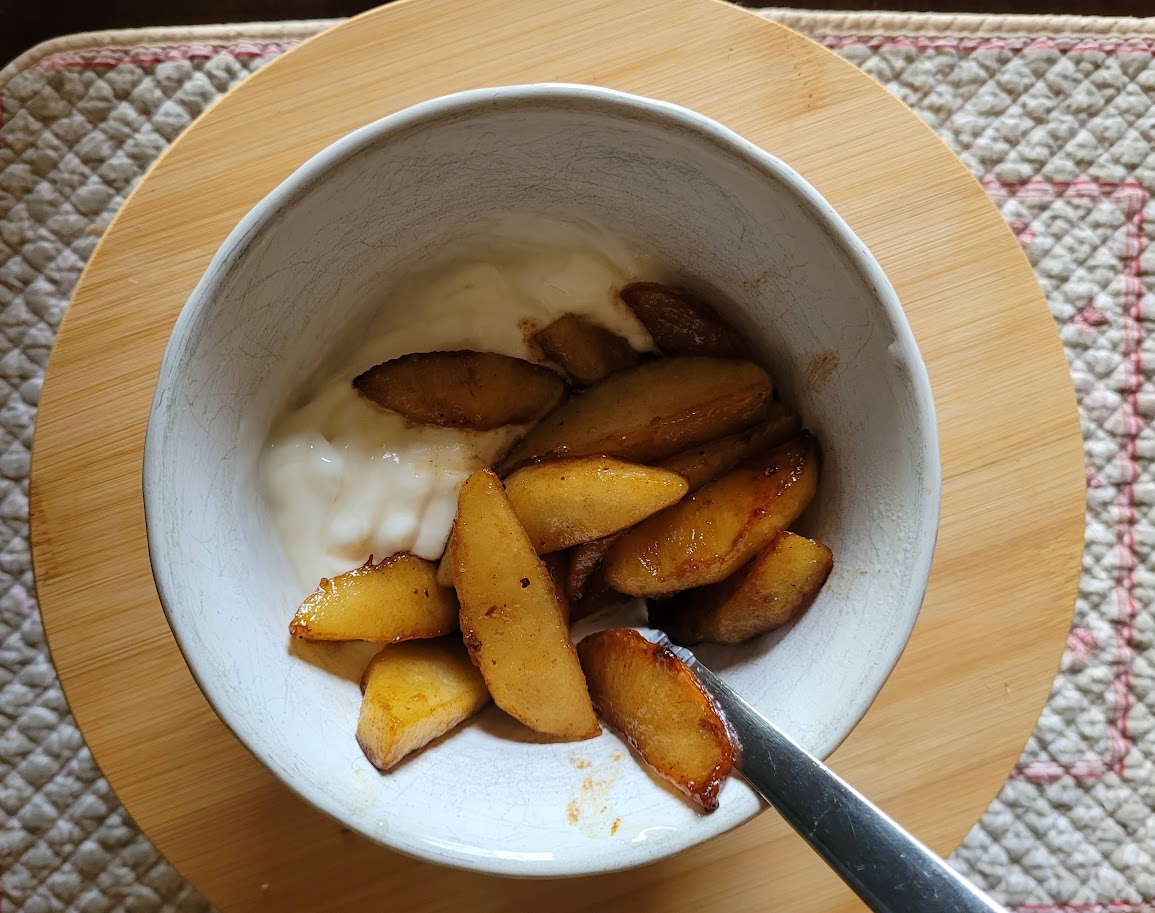
- In a medium skillet, melt the butter until it just starts to foam. Add the apples in one layer. Cover the skillet and reduce heat to medium-low. Cook until soft (about five minutes).
- Remove the lid and add the brown sugar and Kitchen Pepper. (Add a bit of water if the pan is too dry.) Stir. Reduce heat a bit more and cook, stirring occasionally for 10-15 minutes.
Yield: 1
Twitty attributes his apple recipe to “the grande dame of Southern cooking, the late Edna Lewis” (116). The original recipes calls for bacon fat or clarified butter. As you can see above, I used plain butter.
I loved that the apples had a bit of caramelized toothiness to them. I served my Breakfast Fried Apples on top of a bit of plain Greek yogurt sweetened with a bit of honey.
If you are looking for the definitive cookbook for Southern recipes with no frills, this is your book.


Leave a Reply